Veterinarians frequently encounter clinical bottlenecks where traditional treatments reach their limits. In cases involving severe spinal cord injuries, Systemic Inflammatory Response Syndrome (SIRS), and complex tissue necrosis, relying solely on standard normobaric oxygen cages or pharmaceutical interventions may not provide enough cellular support for rapid healing.
When facing acute hypoxia and severe edema, hyperbaric oxygen therapy for pets has transitioned from an experimental concept to a highly effective, evidence-based intervention.
In cases of acute trauma or post-operative recovery, local tissue hypoxia and severe edema are primary barriers to healing. Standard treatments often focus on managing inflammation through NSAIDs or corticosteroids, which can have systemic side effects. Furthermore, simply placing an animal in a standard pet oxygen chamber increases ambient oxygen but does not forcefully dissolve it into compromised, ischemic tissues.
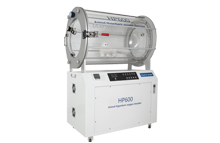
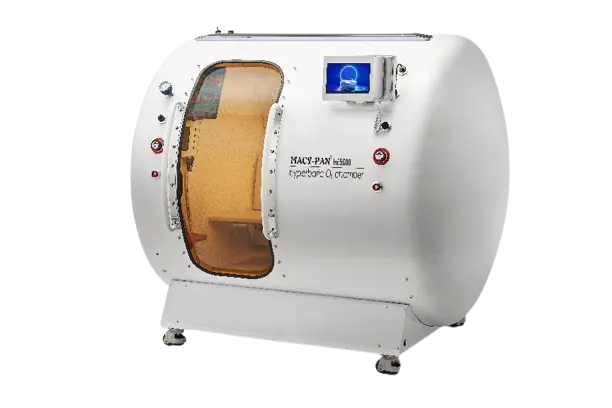
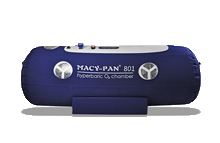
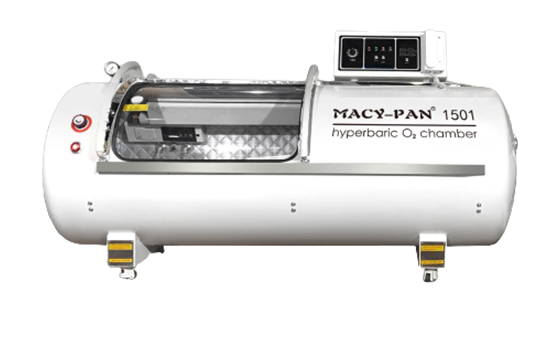
A professional hyperbaric chamber for pets solves this physical limitation. Operating based on Henry's Law, when an animal breathes 93% pure oxygen within a pressurized environment (typically 1.3 to 1.5 ATA), the physical dissolution of oxygen in the blood plasma increases exponentially.
This deep tissue oxygenation addresses specific clinical problems through a three-pronged mechanism:
Rapid Edema Reduction: High-pressure oxygen causes vasoconstriction in normal tissues, reducing fluid leakage without compromising oxygen delivery—critical for spinal cord injuries.
Antibiotic Synergy: It works synergistically with antibiotics that require oxygen to cross cell membranes (e.g., fluoroquinolones).
Cytokine Regulation: Downregulates pro-inflammatory cytokines (TNF-α, IL-1, IL-6) to stop the inflammatory cascade at its source.
The efficacy of a pet hyperbaric chamber is supported by a growing body of veterinary literature and high-stakes wildlife rescue applications.
SIRS is notoriously difficult to manage and carries a high mortality rate. A 2022 prospective cohort study evaluated 49 dogs positive for SIRS. After receiving HBOT (2.4-2.8 ATA, 60-90 minutes), 73.5% (36/49) of the subjects showed significant clinical improvement [1]. The study highlighted that the shorter the time between diagnosis and HBOT intervention, the better the prognosis.
Delayed neurological recovery after spinal surgery is a major clinical frustration. A retrospective study of 110 dogs undergoing hemilaminectomy for thoracolumbar disc herniation demonstrated the value of an oxygen chamber for pets. While 60% of the control group saw neurological improvement, the group treated with HBOT achieved a 73.3% improvement rate. For thoracic lesions specifically, the odds of improvement were statistically significantly higher in the HBOT group.
The clinical reliability of these chambers is frequently demonstrated in critical wildlife rescues in Taiwan. In a highly publicized case, an adult male Leopard Cat (石虎, an endangered species in Taiwan) was struck by a vehicle on Provincial Highway 6, suffering severe cranial impact, concussion, and jaw lacerations.
The veterinary team utilized high-pressure oxygen therapy to rapidly combat acute brain swelling and hypoxia. Following the HBOT sessions, the critically injured animal successfully recovered its vital signs and stabilized enough to be transferred to the Endemic Species Research Institute for continued rehabilitation [2].
References for Verification:
[1] Veterinary Sciences (2022) - Clinical study on Hyperbaric Oxygen Therapy for SIRS in dogs.
[2] Taiwan Environmental Information Center (TEIA), 2020. Six citizens rescue roadkill Leopard Cat; vital signs recovered after hyperbaric oxygen therapy. Link to original report
A common concern when introducing new modalities is patient safety and stress. A comprehensive retrospective analysis of 2,792 veterinary HBOT sessions confirmed its high safety profile, noting that major adverse events occurred in only 0.7% of sessions.
When evaluating equipment to solve these clinical challenges, design matters. Clinical models (such as those from MACY-PAN) utilize high-strength aluminum alloy and a 300° panoramic transparent acrylic window. This prevents claustrophobia and allows the animal to maintain continuous visual contact with the staff, drastically reducing stress without the need for heavy sedation.
For veterinary hospitals aiming to improve success rates in critical care, trauma management, and neurological rehabilitation, investing in professional-grade equipment is a logical next step. If your clinic is researching a reliable dog oxygen chamber for sale, prioritizing evidence-based, safety-certified systems will ensure the best outcomes for your most critical patients.
Scottsdale Vet Clinic Uses Oxygen TherapyThis news segment provides a real-world look into how veterinary clinics successfully use hyperbaric oxygen chambers to rapidly treat severe hypoxic events in animals, serving as a great visual complement to the clinical benefits discussed in the article.

Discount Price, ship by DHL, door to door service, 5-7days delivery time, local technical support

We supply soft and hard chambers from 1.3-2.0ATA to reach different customers' needs

Create custom uniquea hyperbaric chambers to reach your target market

We have more than 50 distributors around world, looking forward to having you on board.

 français
  Deutsch
  italiano
  العربية
  čeština
  Suomi
Suomi  Polska
  עברי
עברי