In the highly competitive world of sports, pushing physical limits is essential for athletes striving to achieve peak performance. As sports science evolves, so do the methods we use to heal. Today, hyperbaric oxygen therapy (HBOT) has emerged as a game-changing treatment that enhances healing and dramatically optimizes recovery times for athletes at all levels.
This article explores the rapid rise of hyperbaric sports recovery, its core physiological benefits, and the evolution it has brought to modern athletics.
Over the past decade, hyperbaric therapy has gained immense traction among professional athletes, trainers, and sports organizations worldwide. Originally utilized primarily for treating decompression sickness in divers, researchers and sports scientists have recently unlocked its massive potential for athletic recovery.
Designed to safely simulate high atmospheric pressure, these chambers facilitate a massive influx of oxygen directly to the body's tissues. When utilized after intense physical exertion, this pressurized oxygen delivery significantly expedites the body's natural healing mechanisms.
Subjecting the body to high-pressure oxygen yields several compounding benefits that give athletes a distinct competitive edge:
Enhanced Oxygen Delivery: The pressurized environment created within a hyperbaric portable chamber allows for significantly greater oxygen saturation in the bloodstream. This effectively floods injured tissues with vital nutrients, accelerating recovery from sport-related injuries like muscle tears, sprains, and micro-fractures so athletes can return to training faster.
Rapid Reduction of Inflammation: Inflammation is a natural consequence of intense physical activity, but lingering swelling hampers the healing process. HBOT reverses oxidative stress and flushes out lactic acid, actively reducing swelling and minimizing downtime between heavy training sessions.
Tissue Regeneration: Hyperbaric recovery actively promotes angiogenesis—the growth of new blood vessels. This expanded vascular network increases blood supply to damaged tissues, supporting long-term regeneration. Athletes consistently report improved muscle function and increased endurance following routine sessions.
Psychological Benefits & Mental Resilience: Physical injuries take a heavy toll on an athlete's mental well-being. The quiet, isolated environment of a chamber encourages deep relaxation and reduces anxiety levels, offering psychological grounding that is crucial for overall recovery and mental toughness.
As athletes continue their quest for constant improvement, hyperbaric therapy has cemented itself as a groundbreaking solution for faster healing. The ability to efficiently deliver oxygen, conquer inflammation, and promote deep tissue regeneration has transformed these chambers into an indispensable tool in the modern recovery toolkit.
overy, ultimately raising the bar in the world of athletics.
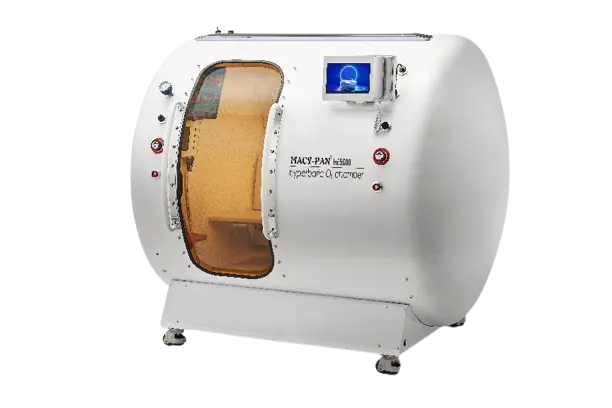
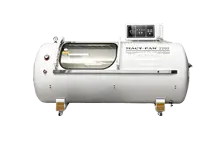
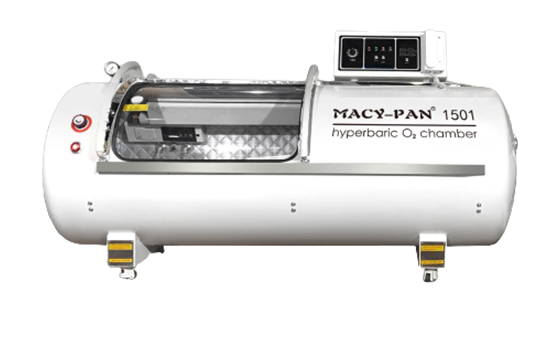
Hard-Shell Clinical Chambers: These units are designed to withstand significantly higher pressure, typically operating between 2.0 and 3.0 atmospheres absolute (ATA) or higher. Because of this high-pressure capacity, they can safely deliver 100% pure oxygen directly to the patient. This combination aggressively drives oxygen deep into blood plasma and tissues.
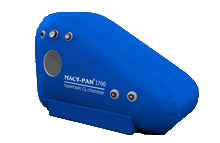
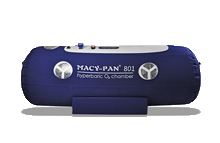
Soft-Type Portable Chambers: Often referred to as "mild" hyperbaric chambers, these operate at much lower pressures, generally capped between 1.3 and 1.5 ATA. Instead of 100% pure oxygen, they typically use filtered ambient air or an oxygen concentrator. This usually delivers around 24% oxygen concentration.
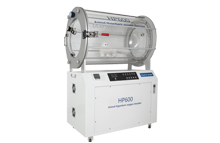
Notice how the rigid construction of the clinical chamber below allows it to sustain the higher pressures required for 100% oxygen delivery, unlike flexible soft-sided models.
Hard-Shell Clinical Chambers: These medical-grade devices are permanently installed in hospitals and specialized clinical settings. They require direct medical supervision. They are the standard for treating severe, acute, or complex medical conditions. Common FDA-approved use cases include carbon monoxide poisoning, decompression sickness, radiation injuries, gas gangrene, and non-healing wounds.
Soft-Type Portable Chambers: Designed primarily for home use, these flexible, lightweight units offer easy accessibility and convenience. They are ideal for general wellness goals, athletic recovery, and stress management. They are not suitable for managing acute or critical medical conditions.
Hyperbaric oxygen therapy is generally safe when performed in a professional medical setting, but it involves profound changes in atmospheric pressure and high oxygen concentrations that carry specific risks.
Here is a breakdown of the main side effects and safety concerns:
Because the chamber's pressure is significantly higher than normal air pressure, patients can experience barotrauma, which refers to injuries caused by pressure differences.
Ear and sinus injuries: This is the most common side effect of treatment. Patients may experience a feeling of fullness, fluid buildup, bleeding, or even a ruptured eardrum if they cannot equalize the pressure in their middle ear. Sinus congestion, sinus pain, and nosebleeds can also occur.
Lung damage (Pulmonary barotrauma): Though rare, rapid pressure changes or breath-holding can cause air to become trapped in the lungs. This can potentially lead to a collapsed lung (pneumothorax) or force dangerous air bubbles into the bloodstream.
Tooth pain: Trapped air in existing dental work or decaying teeth can occasionally cause pain as gas-filled spaces contract under pressure.
Oxygen toxicity: Breathing concentrated oxygen under pressure can overwhelm the body's systems. Central nervous system toxicity can cause visual changes, ringing in the ears, dizziness, nausea, and muscle twitching. In severe, rare cases, it can trigger temporary seizures, which generally stop once the patient begins breathing normal room air.
Vision changes: Many patients who undergo prolonged treatment courses develop temporary nearsightedness (myopia). This happens because oxygen exposure temporarily alters the refractive index or shape of the eye's lens. Vision typically returns to its baseline a few weeks after treatments end.
Lowered blood sugar (Hypoglycemia): The therapy can influence metabolic processes and alter how the body processes glucose. This presents a risk for sudden blood sugar drops, making careful blood sugar monitoring essential for diabetics.
Claustrophobia and anxiety: Monoplace chambers are small, enclosed spaces. This tight confinement can trigger anxiety or panic attacks in individuals with claustrophobia.
Fire hazards: While oxygen itself doesn't burn, a highly oxygenated environment causes other materials to ignite easily and burn violently. For this reason, patients are strictly prohibited from bringing electronics, petroleum-based products, lighters, and certain fabrics into the chamber.

Discount Price, ship by DHL, door to door service, 5-7days delivery time, local technical support

We supply soft and hard chambers from 1.3-2.0ATA to reach different customers' needs

Create custom uniquea hyperbaric chambers to reach your target market

We have more than 50 distributors around world, looking forward to having you on board.

 français
  Deutsch
  italiano
  العربية
  čeština
  Suomi
Suomi  Polska
  עברי
עברי